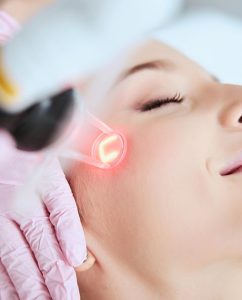
There is a category of skin concern that does not respond to anything applied topically. Sun damage that has accumulated across decades, fine lines etched into the surface, enlarged pores, and depressed scarring are all structural changes to the skin itself, and creams work on the layer above them. Resurfacing works by removing damaged tissue and prompting the skin to rebuild.
Sam Assassa, MD is a member of the American Society for Laser Medicine and Surgery and has worked with energy based devices across three decades of practice in Los Angeles. He founded Beverly Hills Aesthetics in 1995, is board certified in Internal Medicine, and has served as Founder and President of the American Association of Aesthetic Medicine and Surgery since 2006.
“Many patients don’t realize that even brief, unprotected sun exposure can undo the results of treatments like chemical peels or laser resurfacing. In Beverly Hills, where we enjoy sunshine year-round, proper sun protection isn’t optional, it’s essential for preserving your investment.” — Sam Assassa, MD
How Fractional CO2 Laser Resurfacing Works
The CO2 laser is ablative, meaning it vaporizes tissue rather than heating it from beneath. Water in the skin absorbs the laser energy, the treated tissue is removed, and the surrounding tissue is heated enough to contract and to trigger a wound healing response that produces new collagen over the following months.
The word fractional describes what makes the modern version tolerable. Rather than treating the entire surface, the laser delivers energy in a grid of narrow columns, treating a fraction of the skin and leaving untreated tissue between each column. Those intact bridges of skin supply the cells that drive healing, which is why fractional treatment recovers in days rather than the weeks that fully ablative resurfacing required.
So the treated columns do go through the full thickness of the epidermis. The advantage is not that the surface is spared, it is that only part of the surface is treated at a time.
What CO2 Laser Resurfacing Treats
- Sun Damage And Pigmentation: Sunspots, uneven tone, and the accumulated surface changes of long term exposure.
- Fine Lines And Wrinkles: Particularly around the eyes and mouth, where topical treatment does little.
- Acne Scarring: Depressed and textured scarring, often combined with subcision for tethered scars.
- Surgical And Traumatic Scars: Softening raised or irregular scar texture.
- Enlarged Pores: Improving the appearance of pore size and surface irregularity.
- Skin Laxity: Modest tightening from the collagen response, though this is a secondary benefit rather than the main indication.
What to Expect During and After Treatment
Topical numbing is applied before treatment and additional comfort measures are used depending on the depth being treated. The laser is then passed across the treatment area.
Recovery is real and worth planning around. Expect redness, swelling, and a sensation similar to sunburn in the first days, followed by peeling and flaking as the treated skin sheds and new skin surfaces beneath it. At moderate settings, most patients are not socially presentable for roughly five to seven days, and deeper treatment extends that. Residual pinkness can persist for several weeks and is easily covered with makeup once the skin has healed.
Results continue developing for months as collagen remodels, so the appearance at two weeks is not the final result.
The Process Fractional CO2 Laser Resurfacing
Consult
45 Minutes
Procedure
1 Hour
Price
Call for details or request a complimentary consultation
Recovery
5-10 Days
Duration
5 Years
Who Is a Candidate for Laser Resurfacing
Good candidates have sun damage, texture, fine lines, or scarring, and are able to accommodate the recovery. That last part matters more than patients expect, and treatment is scheduled around it rather than squeezed in.
Skin type is a genuine factor here and is assessed before anything is scheduled. Ablative resurfacing carries a meaningfully higher risk of post-inflammatory hyperpigmentation in deeper skin tones, and treating without accounting for that can leave a patient with discoloration worse than what they came in for. Depending on your skin, that may mean modified settings, a pre-treatment regimen to reduce the risk, or a recommendation for a different treatment entirely. Any practice telling you laser resurfacing is suitable for every skin type is not assessing skin type.
Patients with active infection in the treatment area, certain autoimmune or healing conditions, a history of keloid scarring, or recent isotretinoin use may need to wait or may not be candidates. Patients with a history of cold sores are typically given preventive medication beforehand.
CO2 Laser Resurfacing Risks and Safety
Expected effects include redness, swelling, oozing, peeling, itching, and temporary sensitivity, all part of normal healing rather than complications.
Genuine risks include post-inflammatory hyperpigmentation, which is the most common significant complication and is more likely in deeper skin tones, prolonged redness, infection including reactivation of herpes simplex, hypopigmentation, which can be persistent, scarring, and demarcation lines at the border of treated and untreated skin. Aggressive settings increase the depth of result and the risk of all of the above, which is the tradeoff being managed at every treatment.
Sun protection after treatment is not optional. Newly resurfaced skin is highly vulnerable to pigmentary change, and unprotected exposure in the weeks afterward is the most common way a good result is undone.
Individual results vary and no outcome can be guaranteed.
Frequently Asked Questions About CO2 Laser Resurfacing
How much downtime does CO2 laser resurfacing require?
More than most patients expect, and planning for it is part of the treatment. At moderate settings, expect redness, swelling, and peeling with roughly five to seven days before you are comfortable being seen socially, and deeper treatment extends that. Residual pinkness can last several weeks and covers well with makeup. Schedule treatment at least two to three weeks before anything you care about, not the week of.
Is CO2 laser resurfacing painful?
The treatment itself is manageable with topical numbing and additional comfort measures matched to the depth being treated, and most patients describe heat and a snapping sensation rather than sharp pain. The first day or two afterward feels like a significant sunburn, with tightness and stinging that responds to the aftercare regimen you will be given. Discomfort drops sharply after the first forty-eight hours.
Can I have CO2 laser resurfacing if I have darker skin?
It depends on your specific skin and it requires a real assessment rather than a reassurance. Ablative resurfacing carries a higher risk of post-inflammatory hyperpigmentation in deeper skin tones, meaning darkening of the treated area during healing. That risk can often be managed with modified settings and a pre-treatment regimen, and in some cases a different treatment is the better recommendation. This is the single most important thing to discuss at consultation if it applies to you.
How many CO2 laser treatments will I need?
Many patients see substantial improvement from a single treatment, which is part of why ablative resurfacing remains in use despite the recovery. Deeper scarring, significant sun damage, and more advanced texture change often benefit from a second or third session spaced several months apart, allowing full healing and collagen remodeling between treatments. Your plan is set at consultation based on what is actually present rather than a standard package.
How long do CO2 laser resurfacing results last?
The improvement to existing damage is durable, since the damaged tissue has been removed and replaced. What continues is aging, so new sun exposure produces new damage and the skin keeps changing with time. Patients who protect their skin afterward hold results for years. Patients who do not will see them erode, which is the reason sun protection gets as much emphasis here as the treatment does.
How much does CO2 laser resurfacing cost in Beverly Hills?
Cost depends on the area treated and the depth of treatment, and a full face at moderate depth differs considerably from a targeted area. Pricing is confirmed at consultation and current figures are published on the fees page. Cosmetic treatment is generally not covered by insurance and several payment options are available.
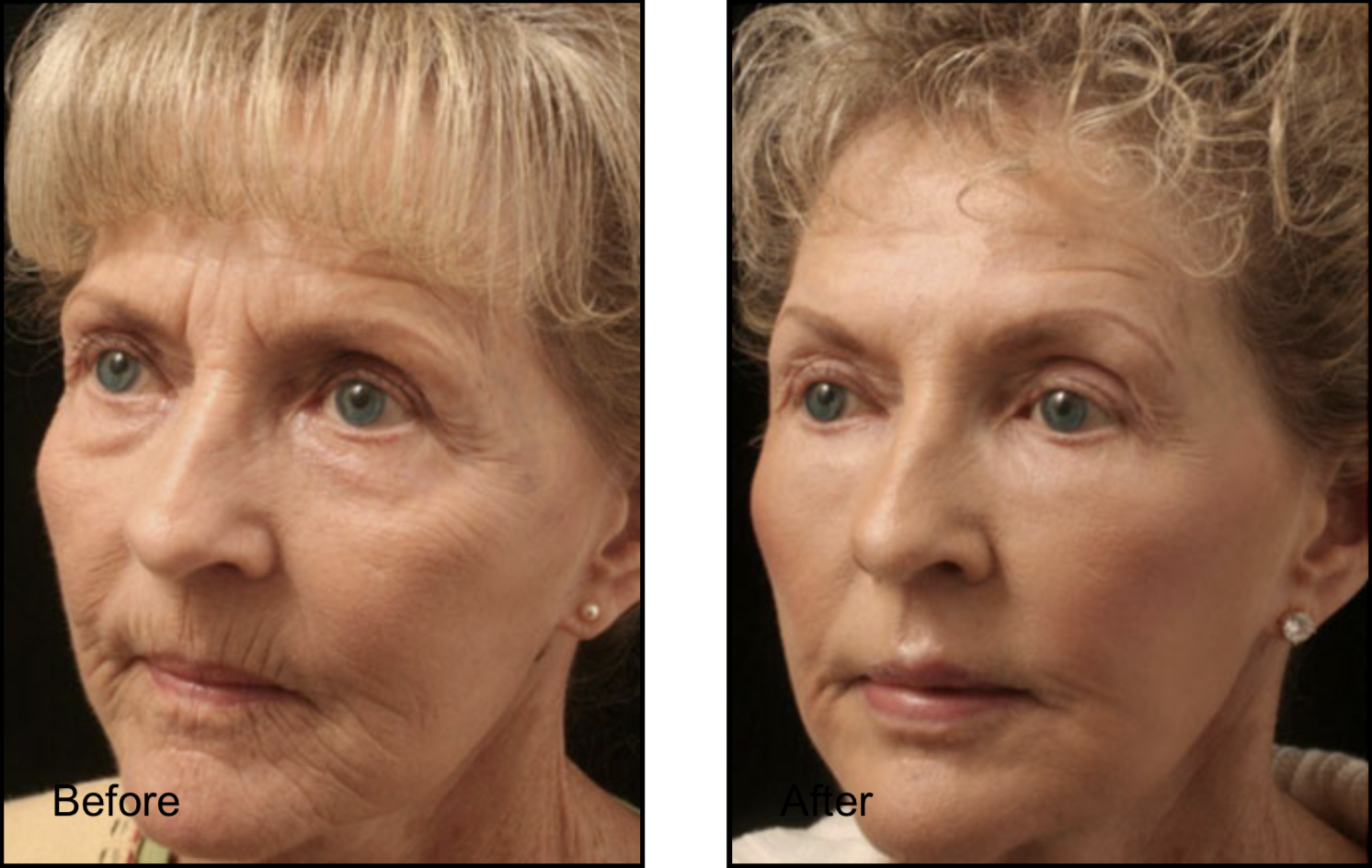
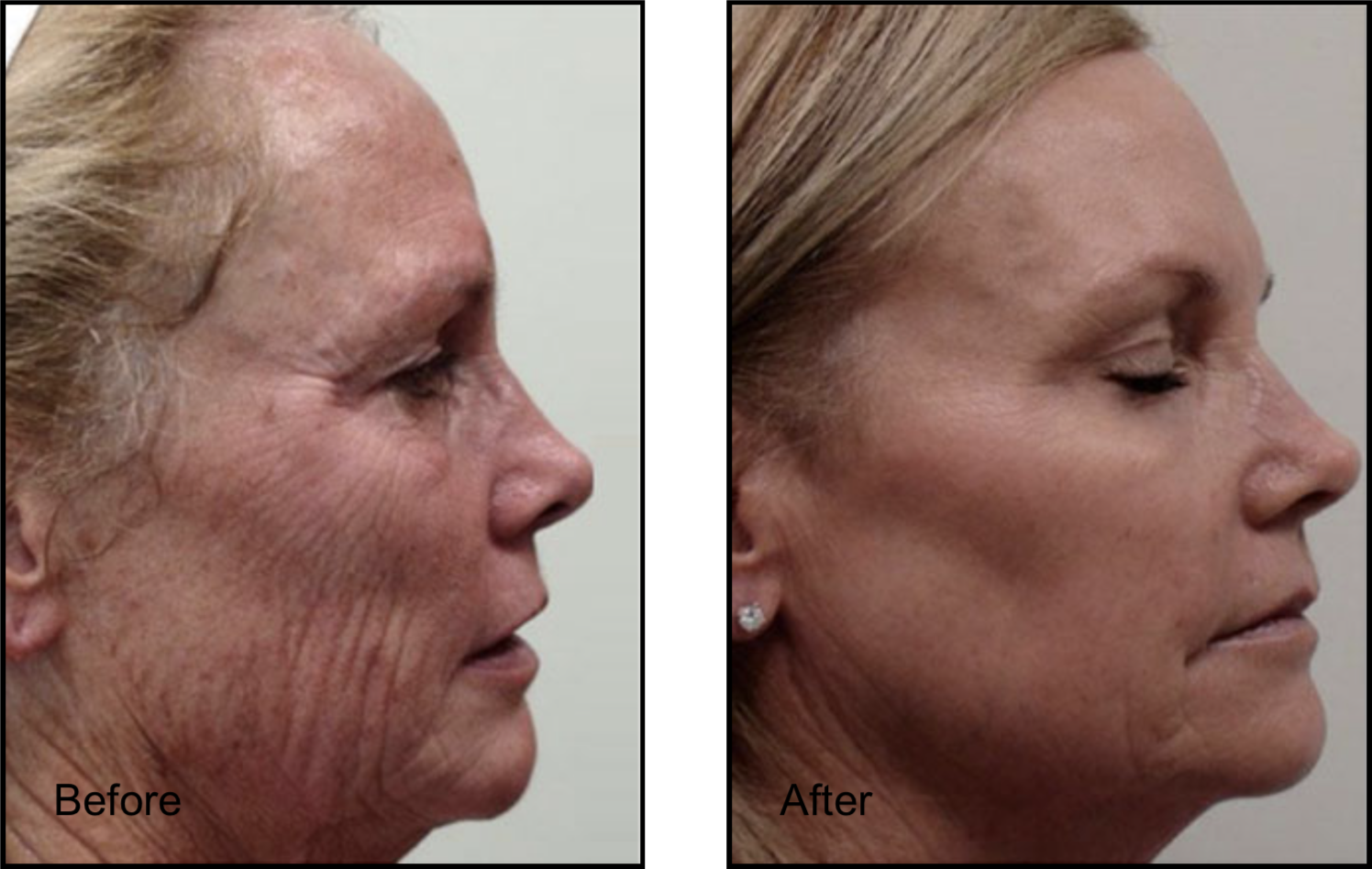
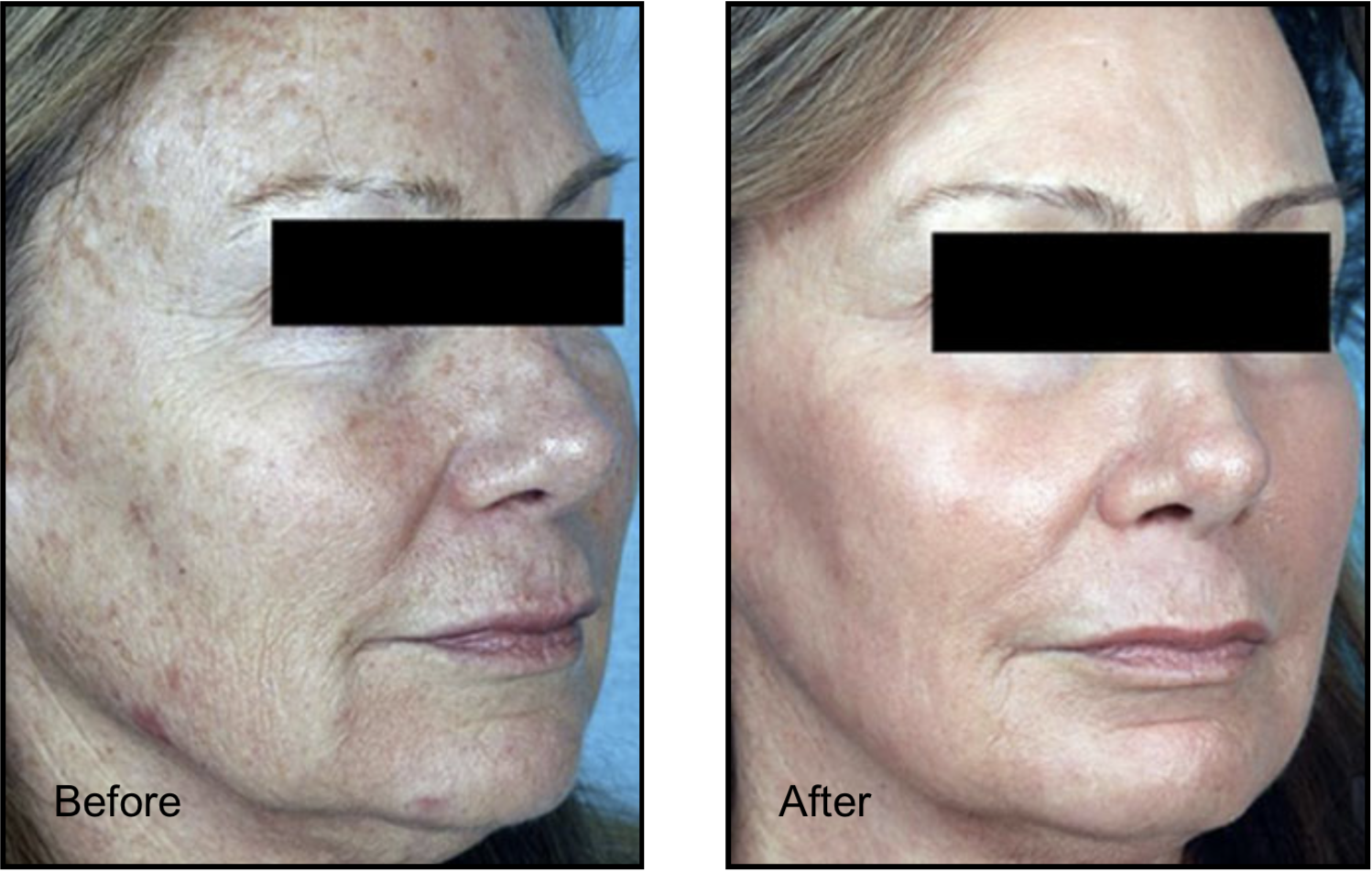
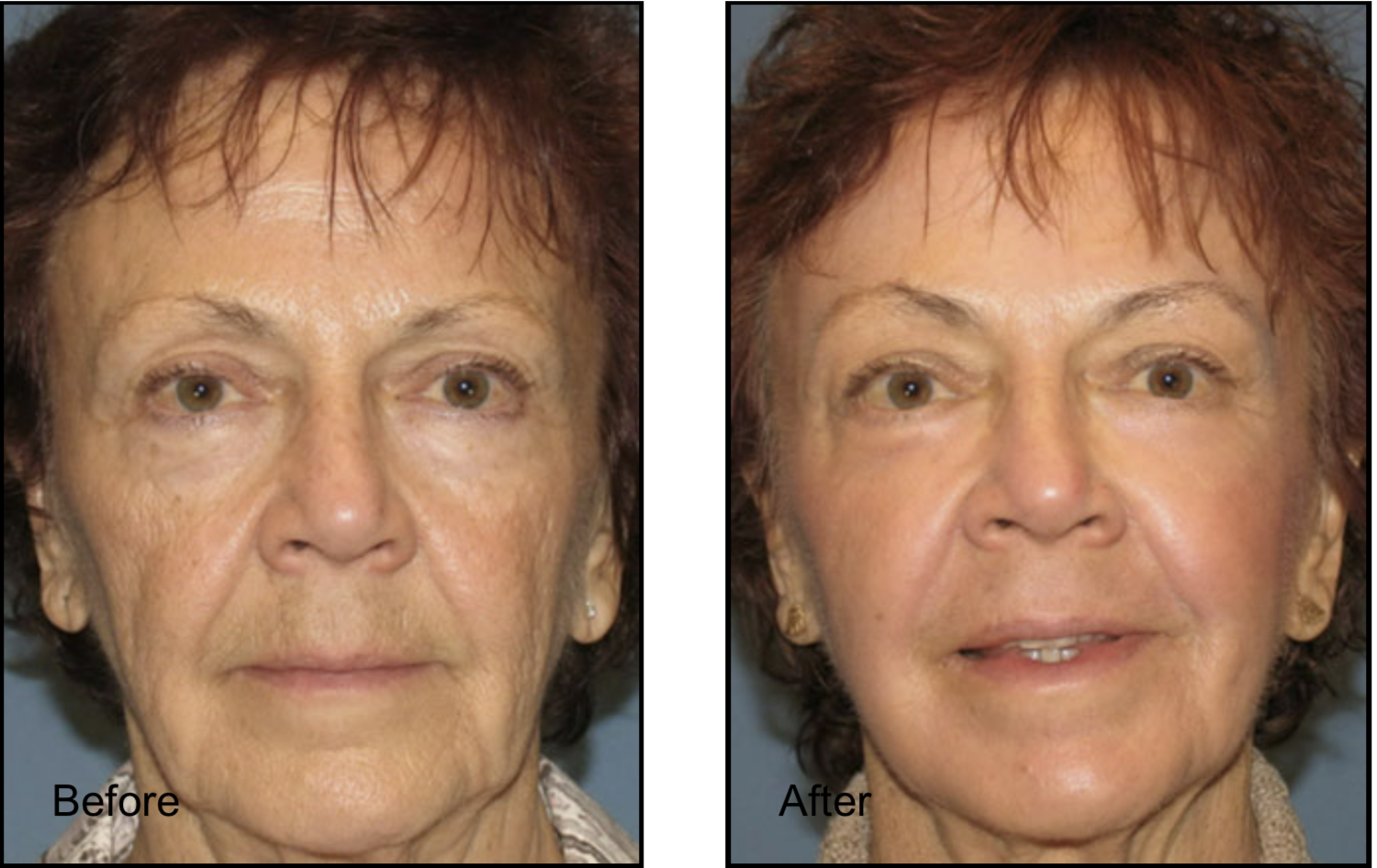
LASER SKIN RESURFACING BEFORE & AFTER
Why Patients Choose Beverly Hills Aesthetics for Laser Resurfacing
- Laser Society Membership: Member of the American Society for Laser Medicine and Surgery.
- Physician Performed: Dr. Assassa assesses skin type and sets treatment depth himself.
- Skin Type Assessment: Pigmentation risk evaluated before settings are chosen, not after.
- Depth Matched To Goal: Treatment intensity set against what you need and what recovery you can accommodate.
- Combination Planning: Resurfacing paired with subcision or microneedling where scarring calls for it.
Schedule a Laser Resurfacing Consultation in Beverly Hills
If your skin has accumulated sun damage, texture, or scarring that skincare has stopped improving, resurfacing is the category of treatment that addresses it. Dr. Assassa will assess your skin type, the depth of the damage, and how much recovery you can realistically accommodate, then recommend a treatment depth accordingly. Beverly Hills Aesthetics serves patients from Beverly Hills, Los Angeles, West Hollywood, and Century City. Request a consultation or schedule your appointment online.