The under eye is the area patients most want fixed and the area where treatment most often goes wrong. Part of that is anatomy, since the skin there is the thinnest on the body and the margin between a correction that reads as rested and one that reads as puffy is measured in fractions of a syringe. The other part is that many people being treated for dark circles do not have the problem they are being treated for.
Sam Assassa, MD received his medical degree with honors and completed his residency at Case Western University affiliated hospitals in Cleveland. He is board certified in Internal Medicine, founded Beverly Hills Aesthetics in 1995, and has performed more than 25,000 aesthetic procedures across three decades, with the periorbital region among the most technically demanding areas he treats.
“The tear trough is unforgiving. We are camouflaging a very subtle volume loss on a part of the face that moves constantly, and it takes real precision. Do your research, do not price shop, and do not let anyone inexperienced inject under your eyes.” — Sam Assassa, MD
What Causes Under Eye Hollows and Dark Circles
Three different things produce the same complaint, and they are not treated the same way.
Volume loss. With age, fat beneath the lower eyelid and upper cheek diminishes and the skin and muscle of the lid lose the elasticity that held them in place. The tear trough deepens into a groove, and the groove casts a shadow. What the patient sees is darkness. What is actually there is a depression.
Fat prolapse. The same loss of support allows fat behind the eye to push forward, creating the bulge people call an eye bag. The bag and the hollow beneath it often appear together, and the step between them exaggerates both.
Pigmentation. Some under eye darkness is actual pigment in the skin rather than shadow, and it is more common in patients with deeper skin tones or a family history of it. Filler will not change it, because there is no hollow to fill.
Telling Under Eye Shadow From Pigmentation
There is a simple test you can do before your consultation. Hold a mirror and tilt your face upward so overhead light falls directly on the under eye area. If the darkness disappears, it is shadow from a hollow and filler is likely to help. If the color stays, it is pigment.
Pigmentation is treated differently, and it is treatable. Topical agents, chemical peels, microneedling, and laser resurfacing all address pigment in the periorbital skin, and several of those are available here. Many patients have both problems at once, in which case the hollow and the pigment are addressed in sequence rather than confused for one another.
Tear Trough Filler and How It Works
Filler placed in the tear trough evens the plane between the lower eyelid and the cheek, removing the step that casts the shadow. Hyaluronic acid products are used, and the choice of product matters more here than almost anywhere else, since a filler that draws water aggressively will look puffy under thin skin regardless of how well it was placed.
Where the cheek beneath has also deflated, and it frequently has, a firmer filler is placed there first to rebuild support. Treating the trough without addressing the cheek that collapsed under it tends to move the problem rather than resolve it.
Please note: one hyaluronic acid product currently carries FDA approval specifically for infraorbital hollow augmentation. Other fillers placed in the tear trough are being used off label, which is legal, common, and well established in aesthetic practice, but which you are entitled to know. Dr. Assassa will tell you which product he is recommending and why at your consultation.
Why Under Eye Filler Placement Matters
Depth is the variable that separates a good result from a visible one. Filler placed too superficially beneath thin lower eyelid skin scatters light and produces a bluish cast known as the Tyndall effect, which looks like a bruise that does not fade. Correct placement sits deep, beneath the muscle layer, against the bone.
Volume is the second variable. This region tolerates small amounts and punishes generosity. A tear trough that has been overfilled looks worse than one that was never treated, and it is more work to correct than to have done conservatively the first time.
What to Expect From Under Eye Filler in Beverly Hills
Treatment takes roughly fifteen minutes. Results are visible immediately, though this is one area where the immediate result is not the final one. Expect swelling and the possibility of bruising over one to two days, and expect the contour to keep settling for about two weeks.
Filler in the tear trough is long lasting, generally one to two years, because the area moves comparatively little and dilute, low water binding products are used. Many patients find their second treatment requires less product than their first, since the depression is shallower to begin with.
Under Eye Filler Risks and Safety
This region carries more risk than most facial filler sites and it deserves a direct account. Common effects include swelling, bruising, and tenderness. Prolonged swelling is more likely here than elsewhere, because lymphatic drainage in the lower eyelid is limited and the tissue holds fluid.
Specific to this area, filler placed too superficially can produce the Tyndall effect, a persistent bluish discoloration, and overcorrection can create visible fullness or puffiness that outlasts the swelling. Both are correctable with hyaluronidase, which dissolves the product. Rarely, filler injected into or compressing a blood vessel can restrict blood flow, and the periorbital vessels connect toward the ocular circulation, so vision loss, while very rare, is a documented complication of filler in this region.
Patients with significant lower eyelid laxity, substantial fat prolapse, or festooning frequently get a better result from surgery than from filler, and that assessment is made at consultation. Individual results vary and no outcome can be guaranteed.
Frequently Asked Questions About Under Eye Fillers
Will under eye filler get rid of my dark circles?
It depends entirely on what is causing them, which is why the mirror test above matters. If the darkness is a shadow cast by a hollow, filler removes the hollow and the shadow softens considerably. If the darkness is pigment in the skin, filler will do nothing for it, and any practice that tells you otherwise before examining you is guessing. Many patients have both, and treating only the hollow leaves a visible portion of the problem behind.
How long does tear trough filler last?
Generally one to two years, which is at the long end for facial filler. The under eye moves comparatively little compared with the lips or the area around the mouth, and the low water binding products chosen for this region degrade slowly. Patients often notice that repeat treatments require less product, since the starting depression is shallower than it was originally.
What is the Tyndall effect and can it be fixed?
It is a bluish cast that appears when filler sits too close to the surface under thin lower eyelid skin, scattering light in a way that reads as a shadow or a bruise that will not resolve. It is a placement problem rather than a product problem, and it is the single most common visible complication of under eye filler. It is correctable, since hyaluronidase dissolves hyaluronic acid filler within a day or two, and prevention comes down to placing the product deep against the bone.
Can under eye filler treat eye bags?
Sometimes, and sometimes not. Where a modest bag is exaggerated by the hollow beneath it, filling the hollow smooths the transition and the bag becomes far less noticeable without being removed. Where there is substantial fat prolapse or significant eyelid laxity, adding filler beneath it can make the bulge more prominent rather than less. Patients in that second group are better served by surgery, and you will be told which group you are in.
Does under eye filler hurt?
Less than most patients expect. Topical numbing is applied first, the fillers used contain lidocaine, and the treatment itself takes about fifteen minutes. Most patients describe pressure rather than pain. Bruising is the more common complaint afterward, and avoiding blood thinning medications and supplements in the days beforehand reduces the likelihood, though nothing eliminates it.
How much does under eye filler cost in Beverly Hills?
Treatment currently starts at $800, with the final figure depending on the product selected and whether supporting cheek treatment is needed alongside it. Pricing is confirmed at your consultation, current figures across procedures are published on the fees page, and several payment options are available. This is not an area to choose on price.
The Under Eye Treatment Process
The Process Non-Surgical Under Eye Hollow
Consult
30 minutes
Price
$800
Treatment
15 minutes
Downtime
Varies: 1 - 2 day swelling or bruising
Results
Immediate
Duration
1 - 2 Years
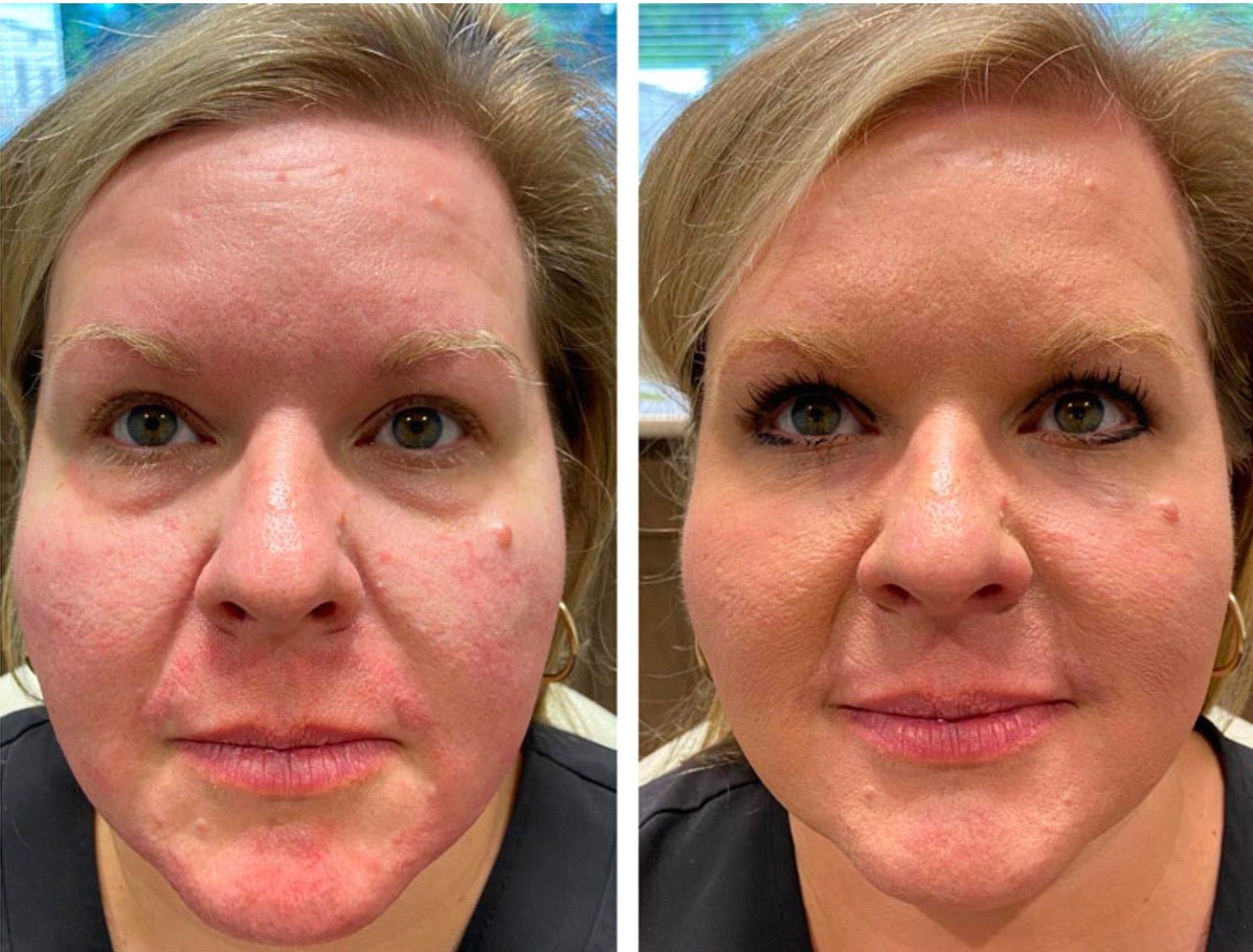
BEFORE & AFTER
Why Patients Choose Beverly Hills Aesthetics for Tear Trough Treatment
- Cause Based Assessment: Shadow, fat prolapse, and pigmentation distinguished before treatment is planned.
- Physician Performed: Dr. Assassa injects the periorbital area himself.
- Deep Placement Technique: Product placed beneath the muscle against bone, which is what prevents the Tyndall effect.
- Conservative Volumes: Small amounts by design, since this region punishes overcorrection.
- Honest Candidacy Assessment: Patients better served by eyelid surgery are told so at consultation.
Schedule an Under Eye Filler Consultation in Beverly Hills
If you look tired regardless of how much you sleep, the first useful step is determining whether you are dealing with a hollow, a bag, pigment, or some combination, because the treatments are different and the wrong one will not help. Dr. Assassa will examine the area and tell you what is actually causing what you see. Beverly Hills Aesthetics serves patients from Beverly Hills, Los Angeles, West Hollywood, and Century City. Request a consultation or schedule your appointment online.