A chemical peel does something no serum can, which is remove the damaged surface layer of skin rather than treating it. What comes up underneath is newer, more even in tone, and smoother in texture. The trade is a few days of visible peeling, which is why patients book these before events rather than after.
Sam Assassa, MD has performed more than 25,000 aesthetic procedures since founding Beverly Hills Aesthetics in 1995 and is a member of the American Academy of Anti-Aging Medicine. He is board certified in Internal Medicine and founded the American Association of Aesthetic Medicine and Surgery, where he has served President since 2006.
“Prioritize your health. Your overall physical, emotional and mental health should be your main concern.” — Sam Assassa, MD
How a Chemical Peel Works
A chemical solution is applied to the skin, causing the outer layers to separate and shed over the following days. As that damaged surface lifts away, newer skin surfaces beneath it, and the controlled injury also prompts collagen production in the deeper layers over the following weeks.
Peels are categorized by depth. Superficial peels affect the epidermis only, produce light flaking, and require essentially no social downtime. Medium depth peels reach the upper dermis, produce visible peeling over several days, and deliver more change. Deep peels reach further, achieve the most, and require weeks of recovery along with substantially more risk.
[DEPTH DESCRIPTION — update once the agent is confirmed, see the note at the top of this file] The Red Carpet Peel sits in the superficial to light medium range, based on the three day peeling window the practice describes.
What the Red Carpet Peel Treats
- Uneven Tone: Sun spots, general dullness, and blotchy pigmentation.
- Fine Lines: Superficial lines, particularly around the eyes and mouth.
- Texture: Roughness and surface irregularity.
- Acne Scarring: Superficial scarring and discoloration, though deeper scarring needs resurfacing or subcision.
- Enlarged Pores: Improving the appearance of pore size.
- Active Acne: Some peel agents help clear congestion and reduce breakouts.
What to Expect During and After a Peel
The treatment itself takes a short appointment. The solution is applied, you will feel warmth or tingling while it is on, and it is then neutralized or removed depending on the agent.
Afterward the skin feels tight, similar to a mild sunburn or windburn. Peeling generally begins within a day or two and continues for up to three days. Do not pull or pick at peeling skin, since that is how uneven results and pigmentary problems happen. Dr. Assassa provides a moisturizer and gentle cleanser to use through the peeling period.
Most patients look their best about a week after treatment, which is worth planning around. Book at least a week before anything you care about, not the day before.
The Process Chemical Peel
Consult
30 Minutes
Procedure
15 Minutes
Recovery
Up to 2 days of peeling
Cost
Call for details or request a complimentary consultation
Duration
Weeks
Chemical Peel Risks and Safety
Expected effects include redness, tightness, flaking, and temporary sensitivity.
Risks include post-inflammatory hyperpigmentation, which is the most common significant complication and is more likely in deeper skin tones, prolonged redness, infection including reactivation of herpes simplex, and, with deeper peels, scarring and persistent pigment loss. Peeling unevenly or picking at the skin during the shedding phase increases the risk of all of these.
Skin type genuinely affects the recommendation. Deeper skin tones can be treated safely with appropriate agent selection, conservative depth, and sometimes a pre-treatment regimen, but the assessment has to happen before treatment rather than after. Patients with active infection, recent isotretinoin use, a history of keloid scarring, or who are pregnant should discuss timing before scheduling.
Sun protection during and after the peeling period is not optional, since newly exposed skin is highly vulnerable to pigmentary change.
Individual results vary and no outcome can be guaranteed.
Frequently Asked Questions About the Red Carpet Peel
How long does it take to recover from a chemical peel?
Peeling generally starts within a day or two and continues for up to three days, with skin looking its best about a week after treatment. During the peeling phase you will look visibly flaky, which is normal but not something most people want to be seen doing. Book at least a week before an event rather than the day before, which is the most common scheduling mistake with this treatment.
Does a chemical peel hurt?
The application produces warmth, tingling, or a stinging sensation while the solution is on the skin, which is brief and manageable, and most patients describe it as tolerable rather than painful. Afterward the skin feels tight, like a mild sunburn. Discomfort settles within the first day and the peeling phase itself is more of a cosmetic nuisance than a painful one.
How often can I have a chemical peel?
That depends on the depth. Superficial peels can be repeated every few weeks and are often done as a series for cumulative improvement. Deeper peels require longer intervals for full recovery. Many patients maintain results with periodic treatment several times a year, and your schedule is set at consultation based on your skin and what you are treating.
Can I have a chemical peel if I have darker skin?
Yes, with appropriate agent selection and depth, and it requires a real assessment rather than a blanket reassurance. Post-inflammatory hyperpigmentation is the primary concern and it is more likely in deeper skin tones, so conservative depth, careful agent choice, and sometimes a pre-treatment regimen are used to reduce that risk. This is the most important thing to raise at consultation if it applies to you.
Can I pick at the peeling skin?
No, and this is the instruction patients most often ignore. Pulling skin that has not fully separated removes tissue that was not ready to come off, which produces uneven results and raises the risk of pigmentary change and scarring. Let it shed on its own, keep it moisturized with what you are given, and it will resolve faster and more evenly than if you help it along.
How much does the Red Carpet Peel cost in Beverly Hills?
Cost depends on the depth of treatment and whether you are having a single peel or a series. Pricing is confirmed at consultation and current figures are published on the fees page. Cosmetic treatment is generally not covered by insurance and several payment options are available.
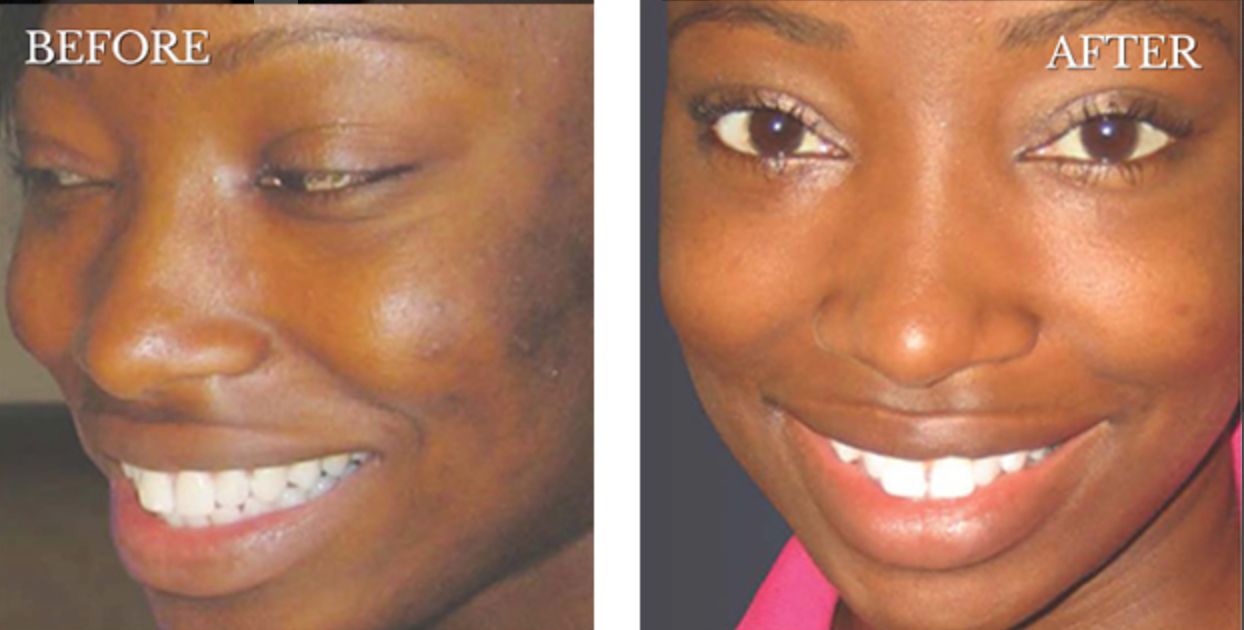
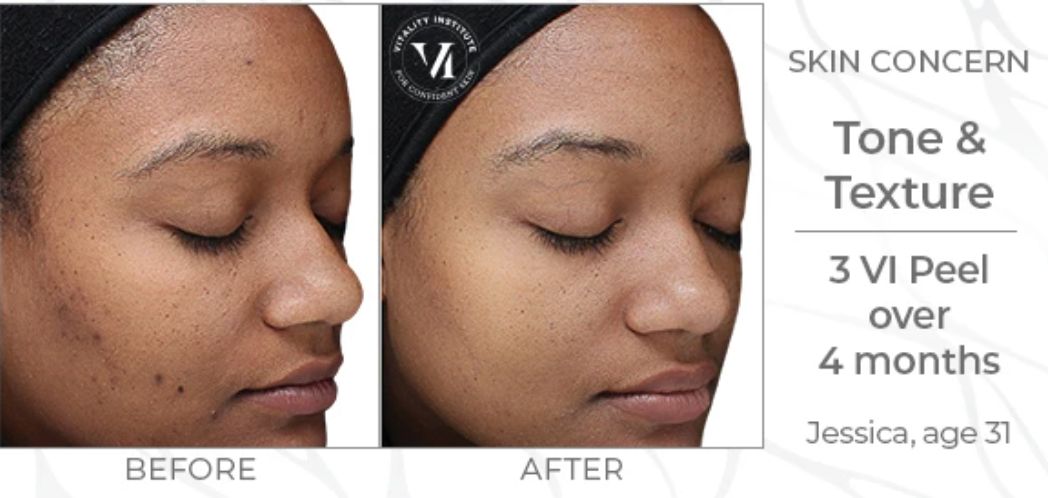
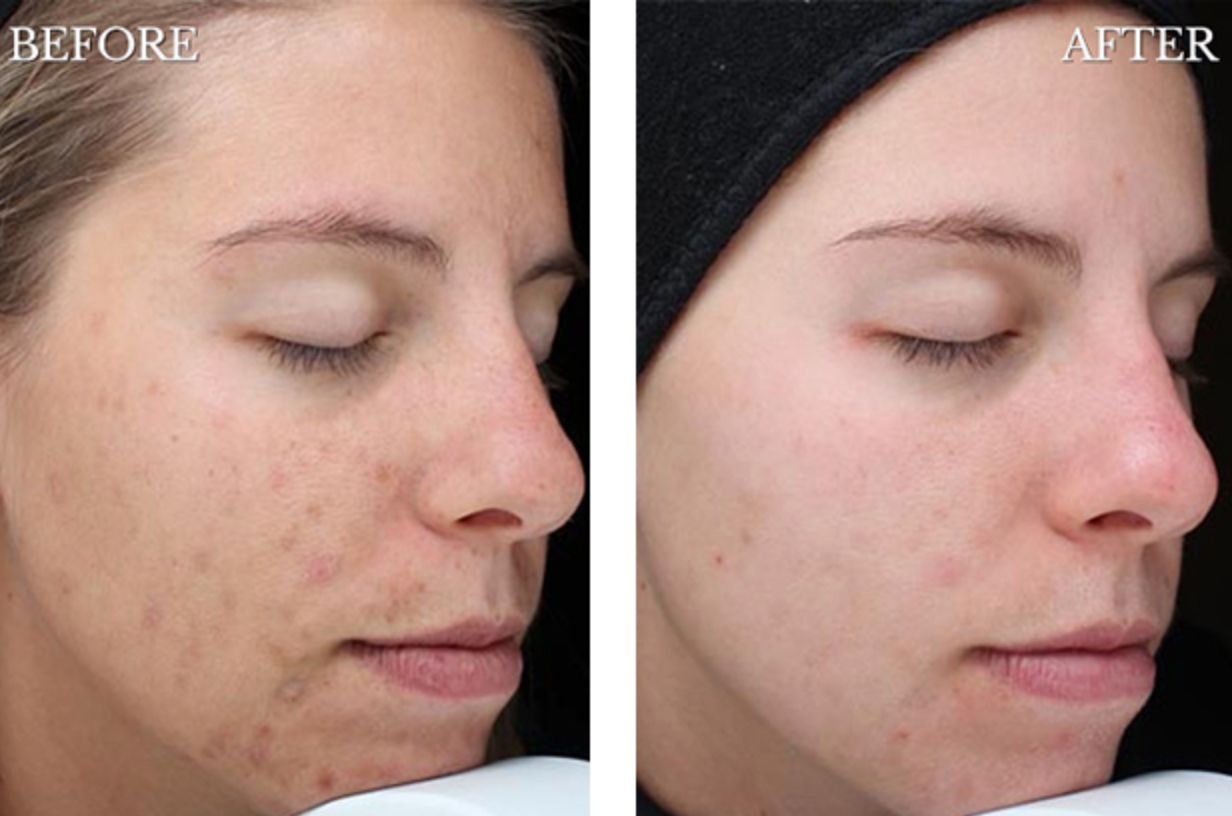
[IMAGES — KEEP: existing before and after blocks with the VIEW GALLERY button] Caption convention: Before. After.
Why Patients Choose Beverly Hills Aesthetics for Chemical Peels
- Skin Type Assessment: Depth and agent matched to pigmentation risk before treatment.
- Physician Directed: Treatment planned and supervised by Dr. Assassa.
- Aftercare Provided: Moisturizer and cleanser supplied for the peeling period.
- Timing Guidance: Honest advice on booking around events rather than into them.
- Combination Planning: Peels used alongside resurfacing and microneedling where deeper change is needed.
Schedule a Chemical Peel Consultation in Beverly Hills
If your skin has lost its evenness, or sun damage and texture have accumulated past what skincare improves, a peel is the treatment that removes the damaged surface rather than working around it. Dr. Assassa will assess your skin type and recommend a depth accordingly. Beverly Hills Aesthetics serves patients from Beverly Hills, Los Angeles, West Hollywood, and Century City. Request a consultation or schedule your appointment online.
CHEMICAL PEEL BEFORE & AFTER
For more information or to find out the right option for you, call Beverly Hills Aesthetics at 424-284-8933 Or Request a Complimentary Consultation with Dr. Assassa. We look forward to meeting you.