Dark circles are the complaint most often treated incorrectly, because two completely different problems produce the same appearance. One is a shadow. The other is pigment. They look alike in a bathroom mirror and they respond to entirely different treatments, which is why patients frequently spend money on something that was never going to work.
Sam Assassa, MD received his medical degree with honors and completed his residency at Case Western Reserve University affiliated hospitals in Cleveland. He is board certified in Internal Medicine, founded Beverly Hills Aesthetics in 1995, and has performed more than 25,000 aesthetic procedures.
The Mirror Test
You can work out which you have before any consultation.
Hold a mirror and tilt your face upward so overhead light falls directly into the under eye area.
If the darkness disappears, it is a shadow being cast by a hollow. There is a depression there, and light is not reaching into it.
If the colour stays, it is pigment in the skin itself, and no amount of filling will change it.
Many people have both, which is why treating only one leaves a visible portion of the problem behind.
What Causes the Shadow
With age, fat beneath the lower eyelid and in the upper cheek diminishes, and the skin and muscle lose the elasticity that held them in place. The tear trough deepens into a groove, and the groove casts a shadow.
This is frequently a midface problem rather than an eyelid problem. When cheek volume deflates, the transition from lower lid to cheek becomes an abrupt step, and that step is what produces the darkness. Patients are often surprised to be told their under eye issue starts two inches lower.
What Causes the Pigment
Periorbital hyperpigmentation is actual melanin in the skin around the eye. It is more common in people with deeper skin tones and it frequently runs in families. It can be worsened by sun exposure, by rubbing the eyes, and by inflammation from allergies or eczema.
It is treatable. It is simply treatable by something else.
And What Is Not a Dark Circle
Two things get grouped in and should not be.
Eye bags are fat prolapsing forward from behind the eye, producing a bulge rather than a hollow. A bag and a hollow beneath it frequently appear together and exaggerate each other. Covered on the eye bags page.
Thin skin showing the vascular structures beneath it can produce a bluish appearance that is neither shadow nor pigment. It responds to treatments that thicken and improve skin quality rather than to filling.
How Each One Is Treated
- Shadow from a hollow: tear trough treatment with filler evens the plane between lid and cheek so the shadow softens. Where the cheek beneath has deflated, cheek treatment is done first or alongside.
- Pigment: topical treatment, chemical peels, microneedling, and laser resurfacing all address pigment in periorbital skin, with the choice depending on your skin type.
- Thin skin and quality: skin boosters and microneedling improve the tissue itself rather than filling beneath it.
Have Your Under Eyes Assessed in Beverly Hills
If you look tired regardless of how much you sleep, the useful step is establishing whether you are dealing with a hollow, a bag, pigment, or some combination. Dr. Assassa will examine the area and tell you what is actually causing what you see. Request a consultation or schedule your appointment online.
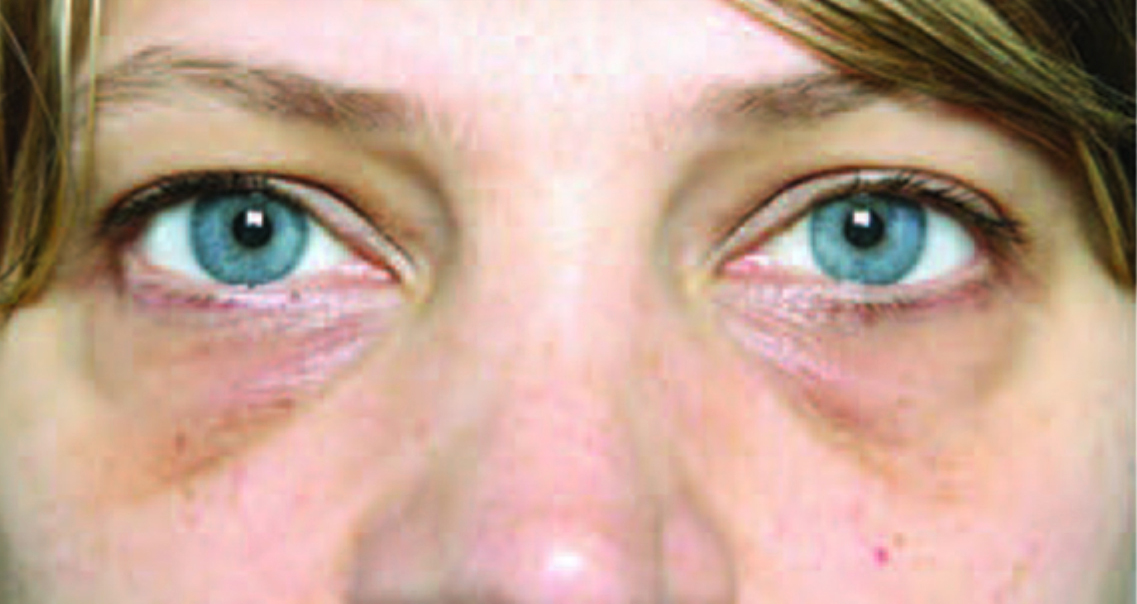
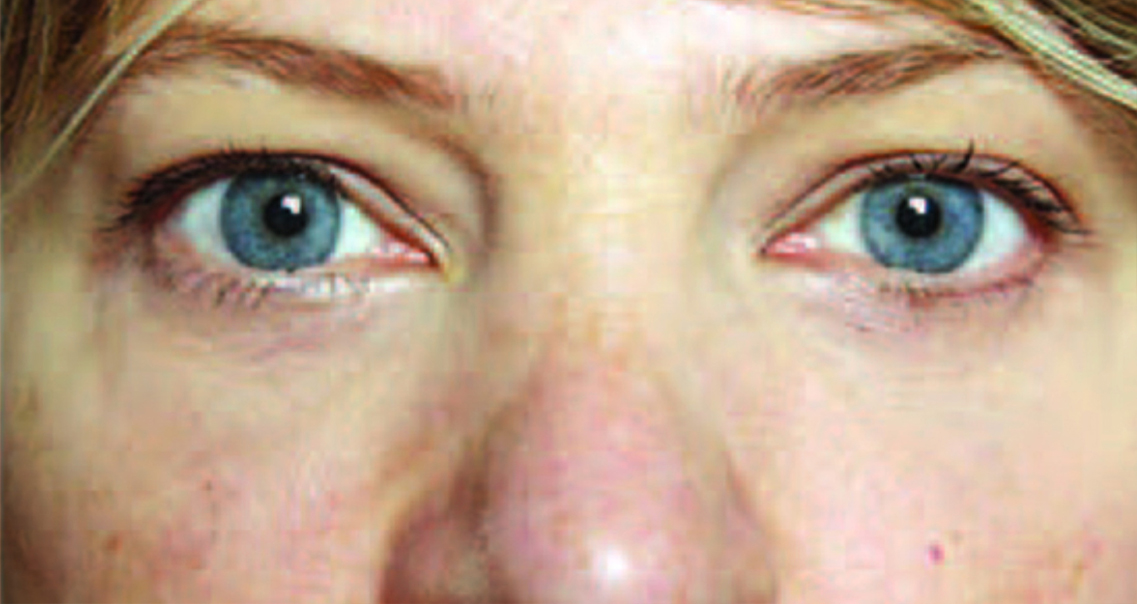
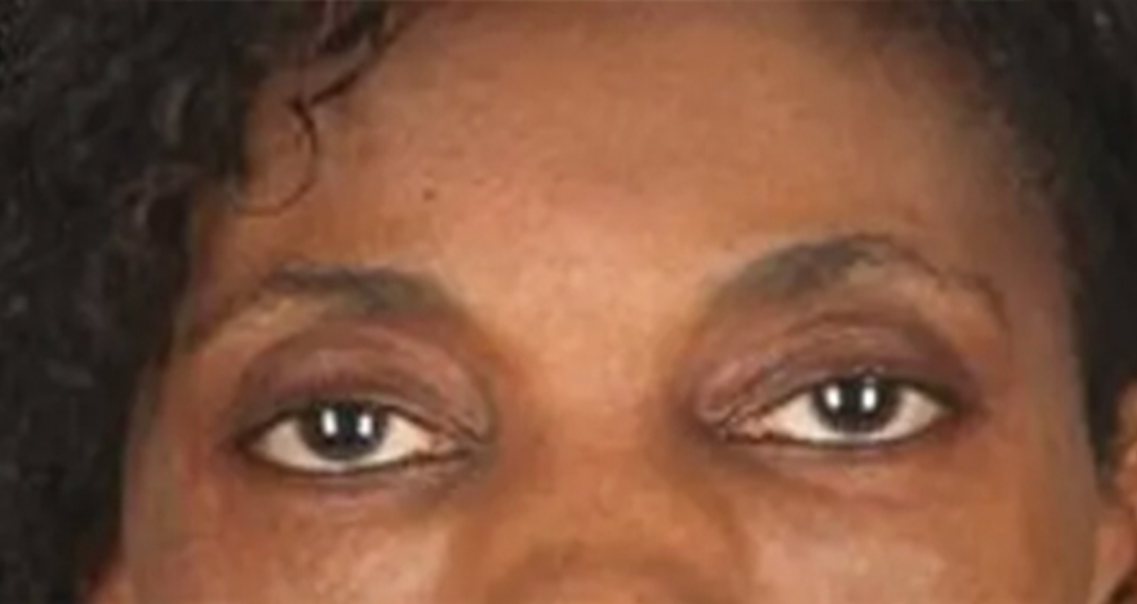
Before & After Gallery

For more information or to find out the right option for you, call Beverly Hills Aesthetics at 424-284-8933 Or Request a Complimentary Consultation with Dr. Assassa. We look forward to meeting you.